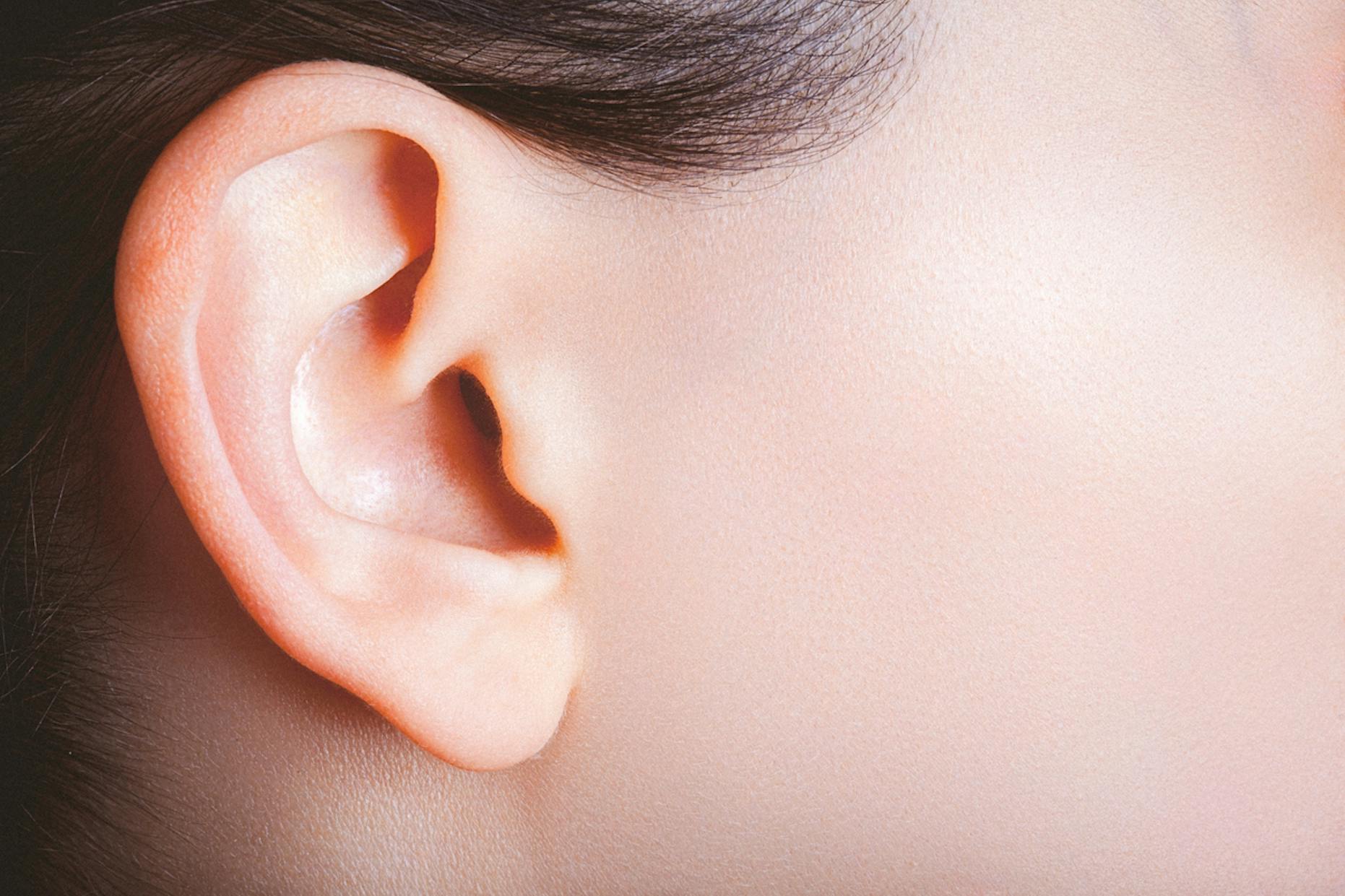



Earlobes get overlooked until something goes wrong — a piercing that’s stretched so far the hole closed on nothing, a gauge you’ve outgrown, a tear from a caught earring, or lobes that have just gotten longer and softer than you’d like. All of it is fixable, and most of it is done right here in the office under local anesthetic.

Colleen Phillips, PA-C has been performing earlobe repairs and reductions at Portland Plastic Surgery Group for years. The procedures range from a five-minute filler injection to a more involved reconstruction for gauged ears — and she’ll tell you exactly which one you need after a single look.

What we treat

Stretched or drooping piercing hole

When the hole stretches just enough that your earring posts point toward the floor, a small amount of filler placed in the lower half of the earlobe is often all it takes. The earring sits level again, and the results last around two years in the earlobe — longer than most other areas of the face.

Stretched-out hole

When the hole has elongated to the point that an earring slides straight through, the repair involves coring out the stretched tissue and closing the lobe front and back. Colleen pays close attention to the contour of the lower lobule as she closes — a repair that doesn’t account for direction and shape can leave the lobe longer than it started.

Torn earlobe

Torn earlobes — usually from a caught loop earring or a baby’s grip on a post — are repaired by freshening the edges and closing them precisely front and back. Getting the bottom border of the lobe back to a smooth, rounded contour is the most important part of this repair.

Gauged ear repair

Gauged ear repair is the most involved procedure Colleen performs on earlobes. The thick scar tissue inside the stretched hole, combined with the goal of creating a natural-looking lobe without a visible seam right in the center, makes it the procedure she compares to origami — folding and orienting tissue carefully to land the scars in the right place.

Many patients who have their gauged ears repaired want to re-pierce with a standard earring afterward. Colleen plans the repair with that in mind, trying to position the scars higher on the lobe where a new piercing will partially conceal them.

Earlobe reduction

Patients who come in for a stretched piercing sometimes learn during the consultation that the real issue is the length of the lobe itself. When a lobe is already long and soft, simply repairing a stretched hole can make it longer. Earlobe reduction removes tissue in both height and width to create a shorter, more proportional lobule — a different pattern from a standard repair and worth discussing if your lobes have changed significantly over the years.

Background media

What the procedure is like

Filler for a drooping piercing is done at a standard injection appointment — no preparation needed beyond a consultation.

Surgical repairs — the core-out, torn earlobe repair, and gauged ear reconstruction — are all done in the procedure room under local anesthetic. The earlobe numbs quickly and completely with a few small injections. Most patients are surprised by how comfortable the procedure is; Colleen and the patient typically spend the appointment chatting through it.

A straightforward core-out or torn earlobe repair takes around 45 minutes. Gauged ear repair can run one to two hours depending on complexity. Colleen also uses these appointments to check in on any previous treatments and do a quick assessment of anything else that may be on your mind.

What to expect from earlobe repair, from a drifting piercing to gauged ears

Recovery and aftercare

After a surgical repair, Colleen places a flesh-colored Steri-Strip over the sutured area. Most patients wear it through their one-week follow-up, when the sutures come out. Nylon sutures are used on the front of the lobe, dissolving sutures on the back — both are removed at that appointment.

A fresh Steri-Strip goes on again after suture removal to protect the healing wound from tension for a few more days. After that, patients use a silicone gel massaged front and back for six weeks.

If you plan to re-pierce, Colleen will do it at your six-week visit once the lobe has healed. She schedules photos at three and six months.

Pricing and payment plans

Earlobe filler is priced as a standard injectable treatment.

A core-out for a stretched hole or a torn earlobe repair is typically around $1,000 for both ears.
Gauged ear repair is priced based on complexity and the time Colleen expects the procedure to take — generally $1,500 to $2,500, and up to $3,000 for cases that may require a second-stage refinement. If Colleen anticipates that a small follow-up revision is likely, she includes it in the original quote.

Insurance covers earlobe repair only in the rare case of a fresh, open tear treated as an acute wound in an emergency setting. Healed repairs and all elective procedures are private pay.

Payment plans are available through PatientFi. PatientFi offers instant approval for up to $50,000 with no hard credit check and no hidden fees — you can apply in seconds and get a decision before your consultation. CareCredit offers short- and long-term financing options, including some plans with no interest when minimum monthly payments are made on time.

See payment plan options and apply

Banner media

About Colleen Phillips, PA-C

Colleen Phillips is a physician assistant who has specialized in plastic surgery since 1989. Since joining Portland Plastic Surgery Group, she has built a practice around injectables and minor in-office procedures, including earlobe repairs and reductions. She assists in the operating room as well as running her own procedure and injectable schedule.

Schedule a consultation

If you’re not sure what your ears need, a consultation with Colleen is the right first step. She’ll evaluate what you’re working with and give you a clear picture of what’s involved — procedure, timing, and cost — before you commit to anything.

Visit us online or call (503) 292-9200 to schedule a consultation.

Contact us media
Contact us media
Accessibility: If you are vision-impaired or have some other impairment covered by the Americans with Disabilities Act or a similar law, and you wish to discuss potential accommodations related to using this website, please contact our Accessibility Manager at 503-292-9200.
Contact Us